

Introduction
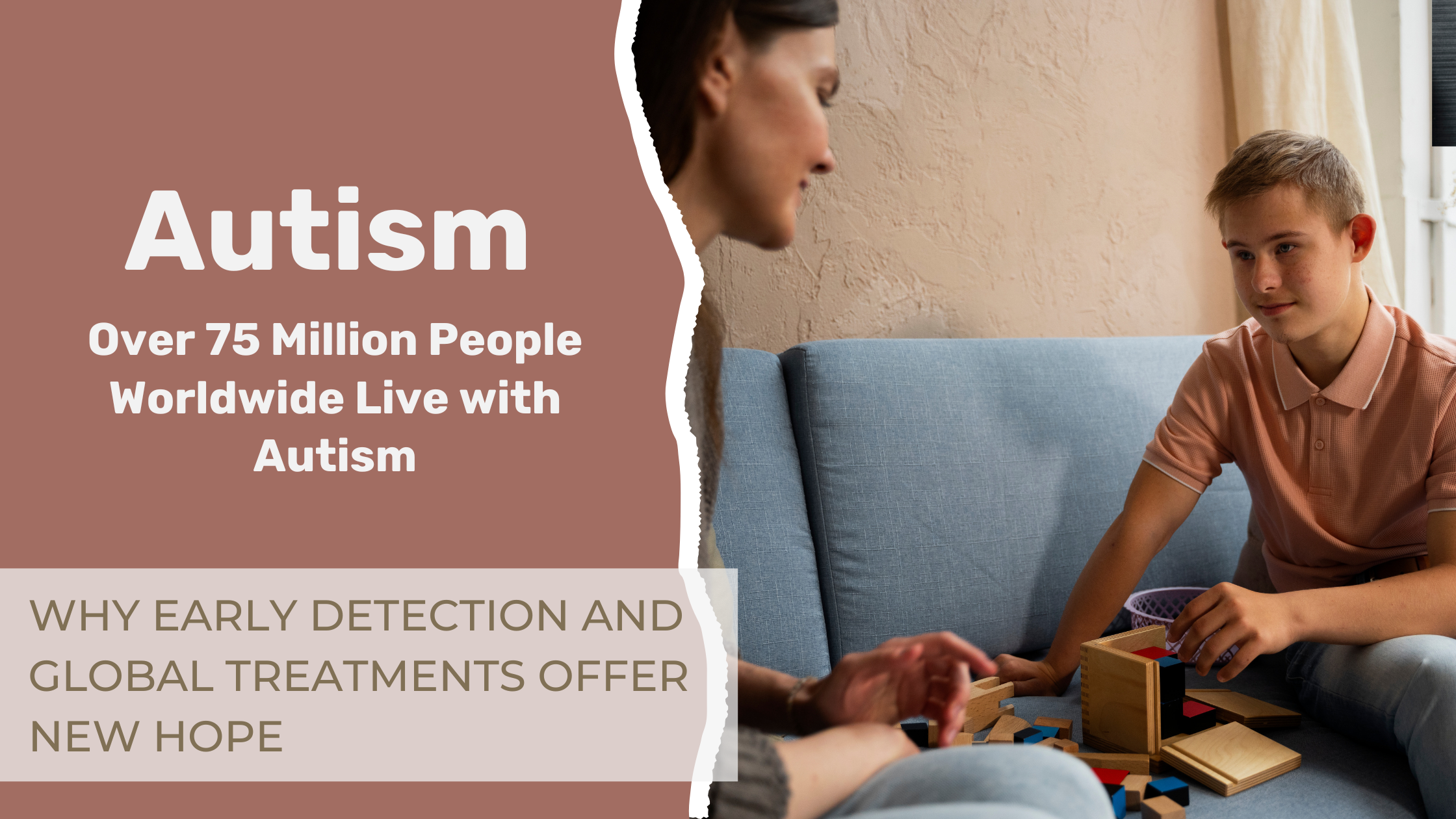
Every year, millions of families around the world embark on an emotional journey after receiving a diagnosis that their child has autism. It is also known as Autism Spectrum Disorder (ASD), affects approximately 1 in 100 children worldwide, and its impact on families is profound and far-reaching. In India alone, the number of children diagnosed with this condition is steadily increasing, as awareness and diagnostic tools improve. The emotions that come with such a diagnosis can range from shock to fear, but they are also often met with hope—hope that early intervention and specialized treatments can help the child lead a fulfilling and meaningful life.
The objective here is to explore autism in-depth by focusing on its definition, symptoms, treatments available around the world, and how India has emerged as a key hub for world-class medical care. We’ll also delve into the importance of early diagnosis, regular check-ups, and how to track progress for the best possible outcomes. Along the way, we will share success stories from India to inspire hope for families facing this challenging diagnosis.
What is Autism?
Autism Spectrum Disorder (ASD) is a complex condition that affects communication, behavior, and social interaction during developmental stage. It is referred to as a “spectrum” because it encompasses a wide range of characteristics, which vary in severity from person to person. No two individuals with autism are exactly alike, which is part of what makes early diagnos What to Look For is and customized treatment plans so critical.
Autism can be diagnosed as early as 18 months, though many children are not diagnosed until later in childhood. Symptoms often appear before the age of three, but for some, they may be less noticeable or misattributed to other developmental issues. Regardless of when the diagnosis is made, the earlier it is identified, the sooner effective treatments can begin.
This can be a lifelong condition. Some individuals with this condition can live independently, while others may require lifelong support. However, with proper intervention, many children with autism can improve their ability to communicate, manage their behaviors, and engage in social interactions. This can drastically improve their quality of life and the emotional well-being of their families.
The Symptoms of Autism: What to Look For
1. Communication Difficulties
Children with autism often show delays in speech and language development. Some may not speak at all, while others may have difficulty forming complete sentences or engaging in reciprocal conversations. Many children may also exhibit unusual speech patterns, such as repeating words or phrases (a behavior known as echolalia). Some may understand language but struggle to communicate their needs effectively. Non-verbal cues like facial expressions and gestures may also be challenging for individuals with autism.
2. Repetitive Behaviors
Repetitive behaviors, such as hand-flapping, rocking, or lining up toys, are common in children with autism. These behaviors may provide comfort or serve as a way for individuals with autism to manage their sensory input. While these actions may seem harmless, they can interfere with everyday activities and social interactions.
3. Social Interaction Challenges
This condition can make it difficult for individuals to understand social cues and engage in typical social interactions. Children with autism may prefer to play alone rather than with others, struggle to make eye contact, or find it difficult to understand other people’s emotions. They may not respond to their name or show interest in typical social activities like playing games with peers.
4. Sensory Sensitivities
Many individuals with autism experience heightened sensitivities to sensory input. They may be particularly sensitive to loud noises, bright lights, certain textures, or specific tastes. Conversely, some individuals may be under-sensitive, seeking out additional sensory stimulation. These sensory sensitivities can make everyday environments overwhelming for individuals with autism.
5. Focused Interests
Children with autism often develop intense, focused interests in specific topics, activities, or objects. This could range from a fascination with trains to a deep interest in numbers or animals. These intense interests may occupy a significant portion of the child’s time and attention, making it difficult to engage in other activities.
Treatments for Autism: A Global Overview
1. Applied Behavior Analysis (ABA)
ABA is one of the most widely used and scientifically validated treatments for autism. It is a structured approach that uses positive reinforcement to encourage desired behaviors while discouraging unwanted ones. ABA can be used to teach a variety of skills, including communication, social interaction, and self-care. The goal of ABA is to improve everyday functioning and quality of life. ABA therapy is commonly offered in the U.S., Canada, Europe, and increasingly in India as well.
2. Speech Therapy
Communication difficulties are a hallmark of autism, making speech therapy an essential part of many treatment plans. Speech therapists work with individuals to improve verbal communication, non-verbal communication (such as gestures), and understanding of language. In cases where speech is limited, therapists may introduce alternative communication methods, such as picture exchange systems or electronic communication devices.
3. Occupational Therapy
Occupational therapy helps individuals with autism develop the skills they need for daily living, such as dressing, eating, and personal hygiene. It also helps individuals cope with sensory sensitivities and improve motor coordination. Occupational therapy is widely available around the world and has become increasingly popular in countries like India, where it is integrated into many autism treatment programs.
4. Social Skills Training
Many individuals with autism struggle with understanding social norms, making social skills training a vital aspect of treatment. This type of therapy focuses on teaching individuals how to engage in conversations, read social cues, and develop meaningful relationships. Social skills training is commonly offered in school-based programs and through specialized therapy centers.
5. Medication
While there is no medication specifically designed to treat autism, medications can be used to manage associated symptoms such as anxiety, depression, or hyperactivity. These medications are often used in combination with other therapies to help individuals better manage their day-to-day lives.
Autism Treatment in India: Quality Care at an Affordable Cost
India has become a global leader in autism care, offering world-class treatment options at a fraction of the cost found in Western countries. Major cities like Delhi, Mumbai, Chennai, and Bangalore have numerous specialized centers dedicated to best care for this condition, offering therapies such as ABA, speech therapy, occupational therapy, and social skills training. In addition, India has a growing number of schools and educational institutions that cater specifically to the needs of children with autism, providing them with the environment and resources they need to thrive.
One of the key advantages of getting treatment in India is the affordability. While therapies in the U.S. or Europe can cost tens of thousands of dollars per year, treatment in India is significantly more cost-effective, without compromising on the quality of care. This has made India a popular destination for medical tourists seeking autism treatment for their children.
Furthermore, India’s healthcare system has increasingly adopted a multidisciplinary approach to autism care, ensuring that children receive comprehensive support from a team of specialists. This holistic care model, combined with India’s rich culture of caregiving, makes it an ideal location for families seeking top-notch autism treatment for their loved ones.
Importance of Early Diagnosis: The Key to Unlocking Potential
Early diagnosis is critical in the management of autism. The earlier autism is identified, the sooner interventions can begin, which can make a significant difference in the child’s development. Early intervention programs, such as ABA and speech therapy, have been shown to improve communication skills, reduce behavioral challenges, and enhance social interactions.
Developmental screenings are often part of routine check-ups with pediatricians, and these can help identify early signs of autism. Parents should be vigilant in tracking their child’s developmental milestones and raising concerns with their healthcare provider if they notice any delays in speech, social interaction, or motor skills. These early signs, though sometimes subtle, can be the first indication that itautism is present.
For those already diagnosed, regular check-ups and progress assessments are essential. These help to fine-tune treatment plans, ensuring that the child is receiving the most appropriate therapies at the right time. Parents can play a significant role by maintaining a developmental log, noting any improvements or new challenges in their child’s progress, and sharing this information with their healthcare providers.
In some cases, parents may wonder, “Do I have autism?”, particularly if they notice similar traits in themselves or other family members. In such instances, an autism test for adults can provide valuable insight and lead to support and therapies that can improve the individual’s quality of life.
Success and Survival Stories: Hope for Families
Lorem ipsum dolor sit amet, consectetur adipiscing elit. Ut elit tellus, luctus nec ullamcorper mattis, pulvinar dapibus leo.
Lorem ipsum dolor sit amet, consectetur adipiscing elit. Ut elit tellus, luctus nec ullamcorper mattis, pulvinar dapibus leo.
Star Medicare World Tourism: Your Partner in Autism Care
At Star Medicare World Tourism, we understand the challenges that come with seeking autism care for your child. That’s why we are committed to providing families with access to world-class treatments in India. Our team of medical professionals works closely with the leading best care centers across the country to ensure that your child receives the best possible care.
We specialize in coordinating all aspects of your medical journey, from arranging consultations with specialists to providing support with accommodations and travel. Our goal is to make your experience as smooth and stress-free as possible, so you can focus on what matters most—your child’s health and well-being.
India’s advanced autism care system, combined with our personalized approach, makes Star Medicare World Tourism the perfect partner for families seeking autism treatment. Whether you’re exploring treatments for the first time or seeking a second opinion, we are here to guide you every step of the way.
Conclusion
Autism is a lifelong journey that comes with its own unique challenges and triumphs. However, with the right support, individuals with this condition can lead fulfilling, meaningful lives. Early diagnosis and intervention are key to helping children with it can reach their full potential, and India has emerged as a leading destination for high-quality, affordable care.
Whether you’re a parent navigating a new diagnosis or an adult exploring the possibility of autism, understanding the condition and seeking appropriate care is the first step toward unlocking the potential within. At Star Medicare World Tourism, we are here to help guide your family on this journey, providing the resources and support you need to ensure the best possible outcomes.
For more information or to begin your journey toward top-notch care, contact us today.